

Map Your Balcony’s Sun Before Filling It With Plants
A bright balcony can still leave most pots in shade. Observe sunlight where the containers will stand, then choose plants for those actual conditions.
A bright balcony can still leave most pots in shade. Observe sunlight where the containers will stand, then choose plants for those actual conditions.

Venus can look like a small gibbous disk or a larger crescent. The change comes from sunlight, viewing angle, and the changing distance between Earth and Venus.
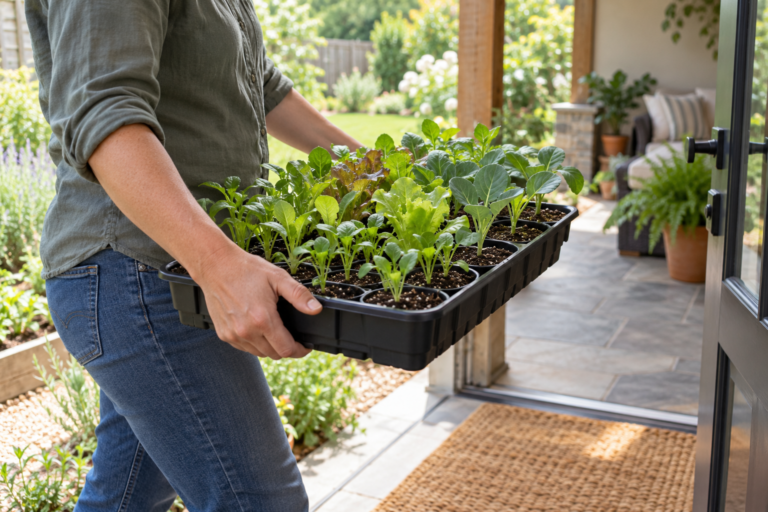
Seedlings raised indoors need time to adjust to stronger light, wind, and changing temperatures. Plan the move around the plants and the forecast rather than a rigid countdown.
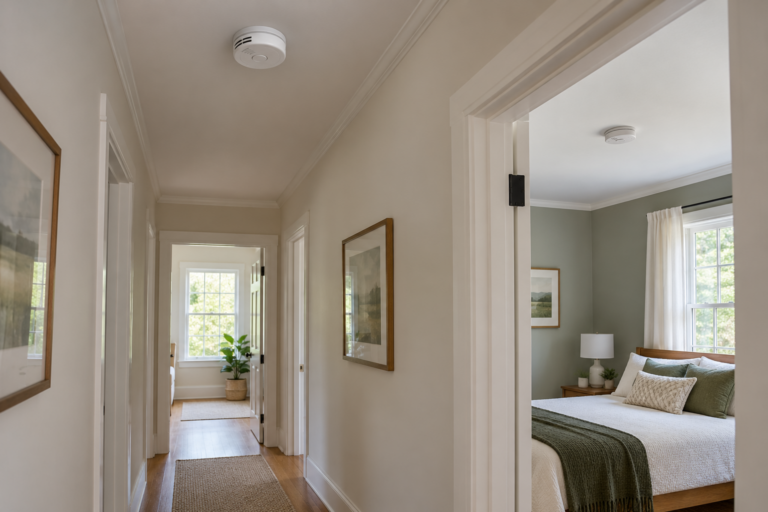
A working alarm in the hallway is only one part of home fire protection. Walk through the rooms, check maintenance needs, and make sure the warning works for everyone.
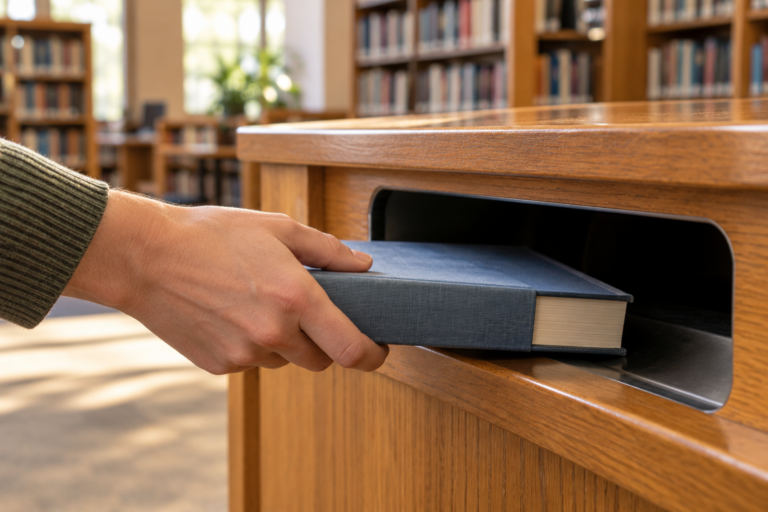
Library late fines raise a real question about fairness to the next borrower. A stronger policy can protect access and encourage returns without confusing lateness with loss.
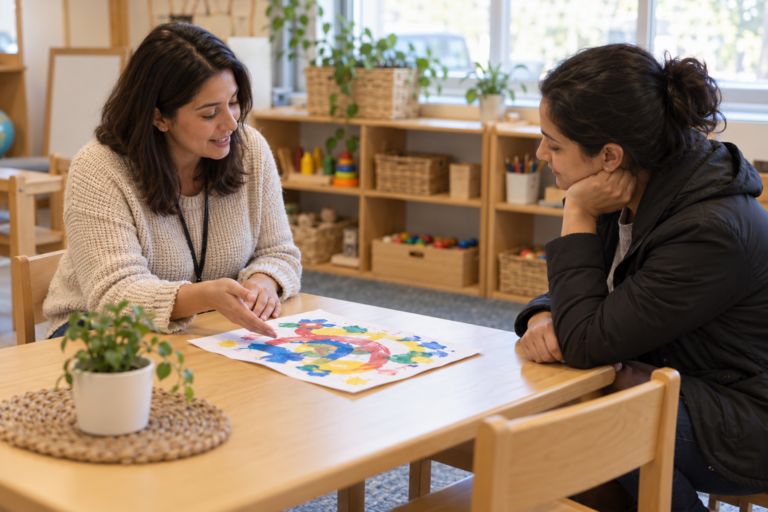
A productive school meeting can end with one clear action, an agreed owner, and a date to check progress. Use specific examples to make that small plan meaningful.

A short set of notes can help you describe changing symptoms without trying to diagnose yourself. Focus on timing, everyday effects, and the questions you most want answered.
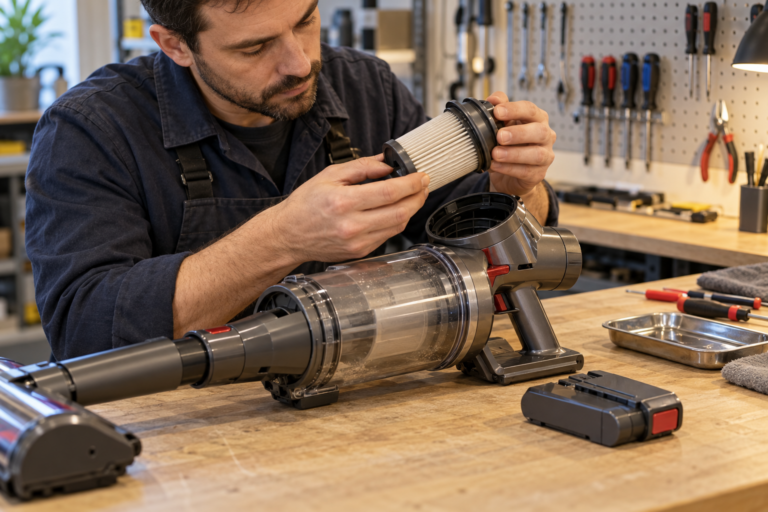
The EU repair directive combines a targeted manufacturer obligation with changes to legal guarantees. Product coverage, purchase dates, and national rules still matter.
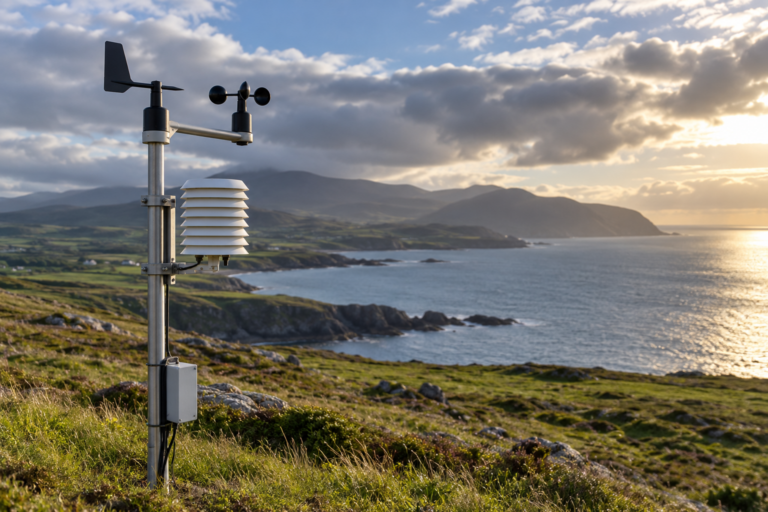
A local cool spell and a long-term warming trend can coexist. Check time periods, reference averages, and geography before drawing a conclusion from a chart.